




This blog breaks down the three cargo types that give logistics teams the most trouble: cold chain shipments, high-value goods, and multimodal freight systems, each carrying its own failure points and financial stakes. It argues that fragmented tracking tools leave shippers exposed and makes the case for a single tracking device and dashboard that holds up across road, rail, sea, and air.
Key Takeaways
- Cold chain failures cost the global economy billions, with 25 per cent of vaccines arriving degraded and food losses reaching 940 billion US dollars a year, often because sensors log data but do not transmit it in real time.
- High-value cargo faces theft, tampering, and silent damage, and checkpoint-based RFID scans only confirm past locations rather than current status.
- Multimodal shipments break most tracking systems at handoffs between road, rail, sea, and air, leaving blind spots that create false confidence.
- One certified device that pings continuously across every transport mode and border gives shippers the accountable record that regulations like EU GDP guidelines demand.
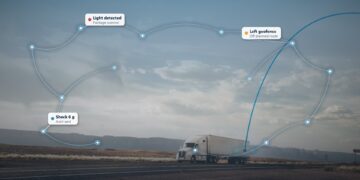
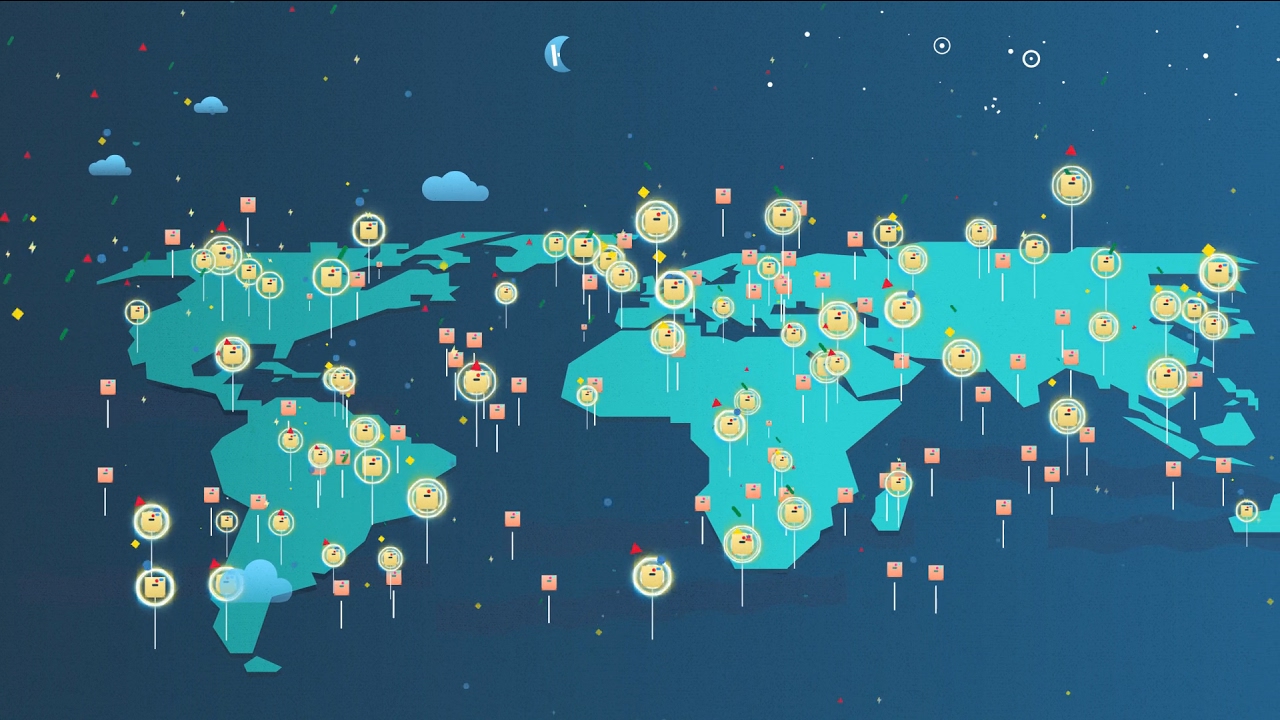
Three cargo types keep logistics teams up at night. The vaccines need to be kept at temperatures of between 2 and 8 degrees Celsius. The parts of an aerospace machine are valued more than the truck that transports them. Boxes travelling from Vietnam to Germany using sea, rail, and road transport modes need constant tracking. All have their own failure modes. A two-hour temperature spike. A missing pallet at a port in Genoa. A shock event that no one logs because the driver did not feel it. A global shipment tracking system would catch each one of these malaises.
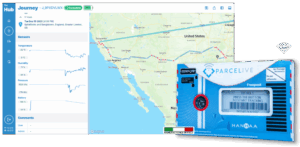
Most operations still try to manage all three using a patchwork of trackers, paper logs, and panicked phone calls. A modern global shipment tracking system can absorb all of that into a single feed. One device, one dashboard, one accountable record per shipment. That sounds simple on paper. It is rarely simple in practice.
Cold chain shipments lose value fast.
Around 25 per cent of vaccines reach their destination in a degraded state because of broken cold chains, according to the World Health Organisation. The food side is no kinder. The Food and Agriculture Organisation estimates global food losses cost roughly 940 billion US dollars a year. A chunk of that sits inside trucks and reefer containers waiting for a fix that arrives too late.
Temperature is only half the story. Humidity matters for biologics. Light exposure matters for some pharmaceuticals. One cargo manager in Lyon recently caught a freezer failure mid-route because his sensor pinged at 3 am. Without that alert, his team would have lost an entire batch of insulin and a long-standing client relationship.
You need detailed data, and you need it as the journey happens. EU GDP guidelines on medicinal products place the burden of proof on the shipper, not the carrier. A sensor that logs but does not transmit only tells you what went wrong after the fact. By then, the cargo and the contract are usually gone.
High-value cargo has different worries.
The fear here is theft, tampering, and quiet damage. BSI’s Supply Chain Risk Insights reports billions of dollars in cargo theft losses each year, with electronics, pharmaceuticals, and food consistently topping the list. The TT Club has tracked similar patterns across European port cities for more than a decade.
If you still rely on RFID scans at checkpoints, you only know where your cargo was. You do not know where it is right now.
Multimodal is where most systems break.
A shipment from Shenzhen to Stuttgart can touch four transport modes and seven handoffs. Each handoff is a point where data either continues or stops. Most vendors built their tracking solutions for one mode, then bolted them onto others as an afterthought. It shows.
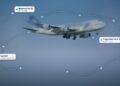
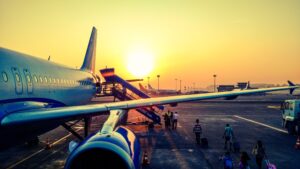
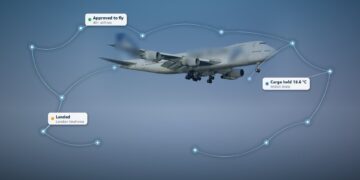
IATA reported around 65 million tonnes of cargo moving by air in 2024. Most of it connects to road or sea legs on either side. A tracker that works on a truck but goes silent on a plane is doing half its job. Worse, it gives you false confidence about what you are actually monitoring.
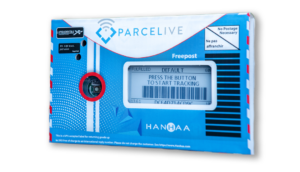
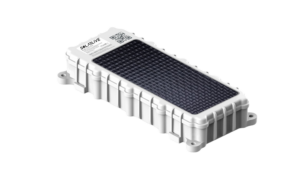
Pick one device built for the cargo hold, the container ship, and the long-haul truck. One certified for airline carriage. One that keeps pinging across borders rather than dropping coverage at the first land frontier.
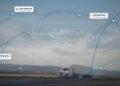
Featured image source: https://media.istockphoto.com/id/2157040201/photo/truck-carrying-forty-foot-container-leaving-port-terminal-with-ship-and-quay-crane-on-the.jpg?b=1&s=612×612&w=0&k=20&c=bTXlTv0g3q5uKFUFzmqyl1N50hbg3O8NftUyaGaPnuw=