










Vendor quotes for GPS tracking rarely tell the full story. Battery swaps, data overages, lost devices, and 2G shutdowns quietly push the real bill far past the sticker price. Asking for a full 12-month total before signing is what separates a tidy spreadsheet from an actual budget.
Key Takeaways
- The sticker price on a tracker covers maybe half the real cost. Battery swaps, SIM changes, data overages, and retrieval time pile on through the year.
- Disposable trackers look cheap per unit but get expensive fast. A 4,000-shipment fleet can spend 140,000 dollars on single-use devices versus around 40,000 on reusable hardware.
- 2G shutdowns across the UK and Europe are turning older devices into dead weight. Ask your vendor which network the hardware runs on before you commit.
- Push every vendor for a 12-month total cost projection covering hardware, data, retrieval, replacement, and support hours. The per-device line tells you almost nothing useful.
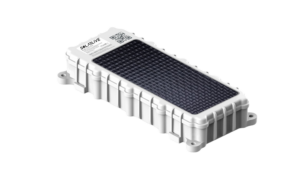
Most procurement decks list a tracker at maybe 30 to 50 dollars per device, monthly data fees somewhere between 5 and 15 dollars, and a software subscription tacked on top. That looks tidy on a spreadsheet. The trouble is, the spreadsheet leaves out about half the actual bill.
Anyone who has rolled out a tracking project across a real fleet knows what comes next. The hardware quote is the easy bit. The rest hides in places nobody warns you about during the sales cycle. Most GPS tracking solutions look almost the same on a one-page comparison, which is why those buried costs end up deciding whether the deployment lands inside budget or two quarters past it.
What the sticker price hides
Pull a quote from any vendor and look closely. The unit price is usually fine. The supporting costs, though, can run two or three times what you signed up for over a 12-month window. A few that get missed:
- Battery replacements or device retrieval after each trip
- SIM card swaps when crossing certain regions
- Data overages when ping intervals get tightened
- Annual recertification or firmware update fees
- Time spent by your own team chasing missing devices
When you compare GPS tracking solutions for businesses, ask each vendor to put every recurring charge in writing for the full term. The total over three years tells you more about the real cost than the sticker price ever will.
That last point is the one nobody quotes. Your operations staff spending two days a week tracking down lost trackers is real money. Just nobody bills you for it directly.
The disposable trap
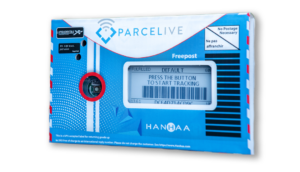
A lot of cheaper GPS tracking solutions for businesses run on a single-use model. The device goes out with a shipment, the battery dies somewhere along the route, and the unit either gets binned or sits in a customer warehouse forever. Per device, it looks cheap. Across a year of shipments, the numbers stop being cute.
Take a mid-sized freight forwarder running 4,000 shipments annually. At 35 dollars per disposable tracker, that is 140,000 dollars before any data costs are added. The same fleet on reusable hardware, with a managed return cycle, often lands closer to 40,000 once amortized across multiple journeys. The gap is not small.
Coverage gaps cost more than you think.
There is also the cost of a tracker that does not actually track. Older devices on 2G networks are getting switched off market by market. The UK and parts of Europe have been winding down 2G services. If your fleet is still relying on those, expect dead devices and silent shipments fairly soon.
Replacing them later is one cost. The lost cargo visibility while you sort it out is another issue.
A few questions worth asking any vendor:
- What network does the device run on, and is that network being phased out anywhere on your routes
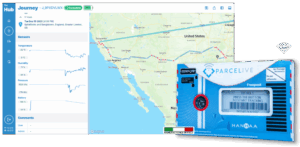
- Does roaming actually work across the borders you cross most often?
- What happens when the device sits in a hold or under a metal stack for three days
A small thought before you sign
Ask your vendor for a 12-month total cost projection. Not the per-device line. Everything. Hardware, data, retrieval, replacement, support hours, the lot.
Real GPS tracking solutions for businesses earn their keep when the full bill is on the table. The ones that look cheap on slide three of the deck are often the ones costing you the most by month nine. That is the bit that gets skipped, and it tends to be the bit that hurts.
Featured image source: https://media.istockphoto.com/id/543194530/photo/map-global-partner-connection-of-container-cargo-freight-ship.jpg?b=1&s=612×612&w=0&k=20&c=63b2uwy9FmQi36Y1BhqSdnK8oq81SX5qPOvmX5Q63_c=