








Global supply chain visibility software shows you where your goods are and what condition they are in, at every stage of their journey, across every carrier and country they pass through. Hanhaa gives you that visibility with trackers that travel inside your shipments, ParceLive for parcels and pallets and SolarLive for shipping containers, and one online platform, The Hub, where you follow every journey live.
This guide explains what supply chain visibility means, why it matters, what to look for in visibility software, and how Hanhaa’s approach works in practice.
What is supply chain visibility?
Supply chain visibility is the ability to see goods, materials and orders as they move from supplier to customer. At its simplest it answers two questions: where is my shipment? and is it all right? Good visibility lets you spot delays early, prove that goods were handled correctly, and give customers accurate updates instead of estimates.
For global supply chains this is harder than it sounds. A single shipment can pass between several carriers, warehouses and customs points, often in different countries and on different systems. Each hand-over is a point where information is lost.
Types of supply chain visibility
- Transport visibility: the live location of shipments, estimated arrival times and delays.
- Condition visibility: temperature, humidity, shock, light and tilt, which matter most for cold chain, pharmaceutical and high-value shipments.
- Inventory visibility: stock levels across warehouses and distribution centres.
- Supplier and production visibility: supplier performance, production schedules and lead times.
- Order visibility: the status of each order from placement to delivery.
- End-to-end visibility: all of the above joined up, so everyone works from the same picture.
Why supply chain visibility matters
- Fewer losses and disputes: a record of where and when something went wrong, such as a drop, a temperature breach or an unexpected stop.
- Faster reactions: alerts arrive while there is still time to act, not after the delivery has failed.
- Better customer service: accurate arrival times and shareable tracking links instead of phone calls and emails.
- Better decisions: journey data shows which routes, carriers and handling points cause problems.
How Hanhaa gives you global supply chain visibility
Most visibility platforms collect status updates from carriers. That works while a carrier shares its data, but it stops at every hand-over and says nothing about the condition of the goods. Hanhaa takes a different approach: the tracker travels with the cargo and reports directly, whichever carrier is moving it.
ParceLive: tracking inside the parcel or pallet
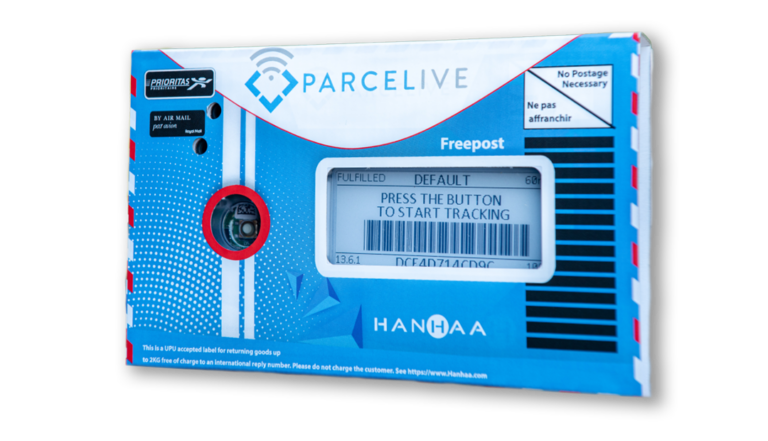
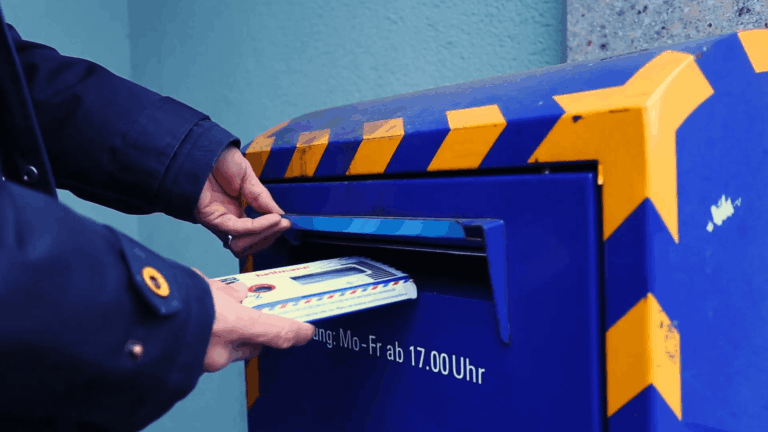
ParceLive reports live location and cargo conditions, including temperature, humidity, shock, light exposure and tilt, across air, sea and road. It is approved by more than 40 airlines, so it can stay switched on in air cargo. Battery life runs from a few days up to three months depending on how often it reports, and trackers can be returned free through the postal network in supported countries and reused.
SolarLive: tracking shipping containers
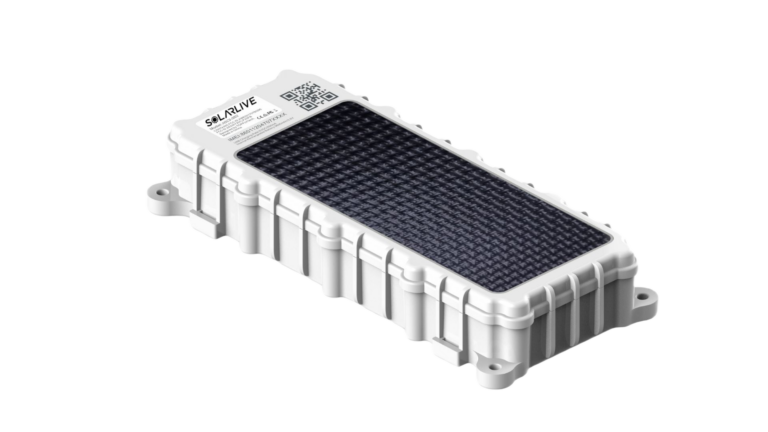
SolarLive is a solar-powered GPS tracker for shipping containers. Its rugged IP67 casing and solar charging suit long journeys where there is no mains power.
The Hub: one platform for every shipment
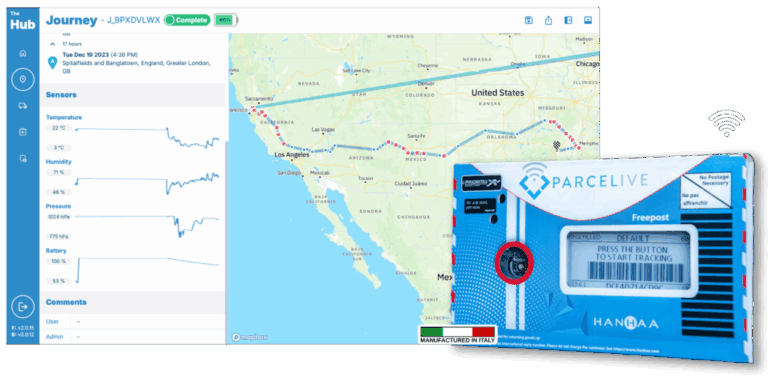
The Hub is where your tracker data comes together:
- Live map of every active shipment, with its latest sensor readings.
- Alerts you set yourself: geofences around sites and routes, and sensor limits such as a maximum temperature. You are told as soon as one is crossed.
- Custom reports and shareable links, so colleagues, customers and partners can follow a journey.
- Custom dashboards built for you by Hanhaa around the measures that matter to your business.
- CSV downloads of journey and sensor data, for your own analysis.
- API integration that sends live location, sensor readings and alerts straight into your TMS, ERP or WMS.
How to choose supply chain visibility software
Before comparing platforms, decide what you need to see and how reliable that information must be. These questions help:
- Where does the data come from? Carrier feeds are only as good as each carrier’s systems. A tracker in the shipment reports independently of the carrier.
- Do you need condition data as well as location? For food, medicines, electronics and high-value goods, knowing that a shipment was too hot or was dropped matters as much as knowing where it is.
- Does it work in the air? Many trackers must be switched off on aircraft. Check which airlines have approved the device.
- Is it global? Check that it tracks across the countries, carriers and modes of transport you actually use.
- Will it fit your systems? Look for an API into your TMS, ERP or WMS, and for data export.
- What does it cost at scale? Reusable trackers and free returns lower the cost per shipment, which makes it affordable to track a sample of shipments rather than only the most valuable.
Best practice for getting started
- Start with a problem: pick the route, customer or product line where losses, delays or disputes cost you most.
- Run a trial: track a sample of real shipments first and compare what you see with what your carriers report.
- Agree your alerts: set geofences and sensor limits with the people who will act on them.
- Connect your systems: once the data proves useful, feed it into the tools your teams already use.
Supply chain visibility in practice
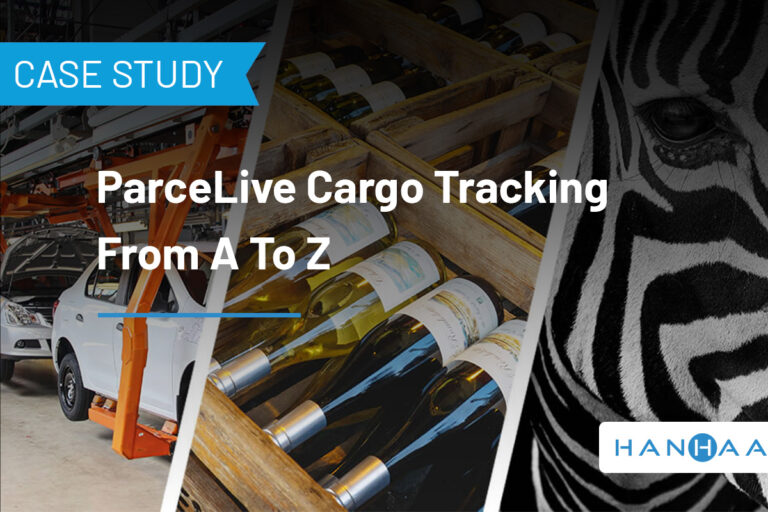
Businesses already use ParceLive to watch goods in transit. DS Smith used it to monitor confectionery shipments, and TrackIQ to monitor wine and spirits. See more in our case studies.
See your supply chain in real time
Hanhaa was founded in 2015 and has offices in London and Porto. Try ParceLive on your own shipments, or tell us what you need to track and we will put together a quote.
Frequently asked questions
What is global supply chain visibility software?
It is software that shows where your shipments are and what condition they are in across every carrier, country and mode of transport. Hanhaa combines trackers that travel with the cargo with The Hub, an online platform showing live locations, sensor readings and alerts.
How is tracker data different from carrier data?
Carrier data comes from each carrier’s own scans and systems, so it can stop at hand-overs and rarely covers the condition of the goods. A tracker inside the shipment reports its location and sensor readings directly, whichever carrier is moving it.
Can ParceLive travel in air cargo?
Yes. ParceLive is approved by more than 40 airlines, so it can stay switched on in air cargo.
Does The Hub integrate with my TMS, ERP or WMS?
Yes. Hanhaa’s API sends live location, sensor readings and alerts into your own systems, and data can also be exported, including as CSV.
What alerts can I set?
You can set geofences around sites and routes, and sensor limits such as a maximum temperature. The Hub alerts you as soon as a shipment crosses one of them.
Have a question?
Ask us about any of our products and services, or try ParceLive on your own shipments.